

Just find out
The Alignment Read on its own
$1,500
Your team answers anonymously. You get a written report and 60 minutes with me on what to do about it. Leader only, no team session. Full refund any time before the survey goes to your team.
Leadership team coaching
I help leadership teams agree the few things that matter, then keep them going for 90 days. You see the change in how your team works, with before-and-after results from your own people.
Training and credentials
Sound familiar?
Most teams have run a good offsite that was forgotten within a week. The same issues come back each quarter, and senior time goes on deciding the same things twice.
What's usually underneath
Everyone runs their own area well. Nobody has agreed what the team as a whole is for, or what it should deliver that no one person could.
Where I'd start
It's a broad problem. Your team answers the Alignment Read anonymously, and it shows which areas are holding you back. Then we work on those.
Who you'll work with
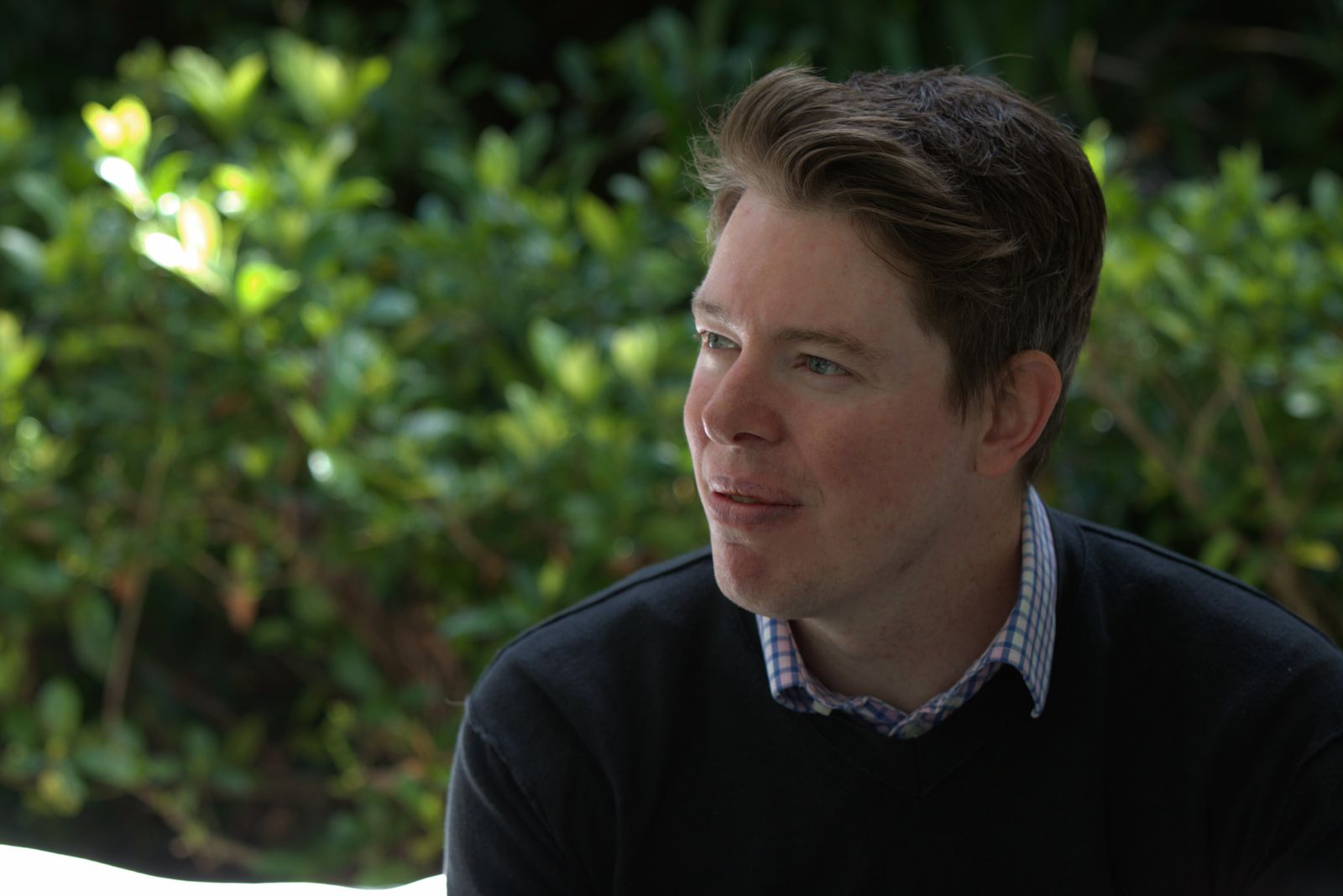
Most leaders I work with don't need more ideas. They know what the team should be doing. The hard part is getting people to say what's really going on, agree what changes, and keep doing it when things get busy.
I've designed and run leadership development across the private sector and government for fifteen years. I trained in systemic team coaching under Peter Hawkins (AoEC) and I'm an ICF ACC credentialed coach.
My longest-running client has worked with me every week for six years. Follow-Through grew out of that work. He knew what he needed to do each week and wasn't always doing it. Now he checks in most nights and we both see the board.
I run every survey, report, session and check-in myself. There is no associate model.
Selected work
Decisions now made in the room and held afterwards.
A leadership team that avoided disagreement in the moment, with decisions unravelling in corridor conversations afterwards. Built shared conflict norms.
Moved from parallel effort to genuine alignment.
A leadership team busy but pulling in different directions, with ownership of priorities implicit rather than agreed. Clarified the mandate, translated it into explicit priorities and ownership.
Partners moved from blockers to collaborators.
A leadership team treating cross-functional stakeholders as demands to manage, not partners to co-create with. Mapped what partners actually needed versus what they'd asked for, redesigned the engagement.
Selected work, de-identified.
How it works
Book a 20-minute call and tell me what's going on. I'll tell you straight whether I can help, and what I'd do first.
Your team answers the Alignment Read anonymously, so the things people won't raise in the room come out first. For some teams, short one-to-one conversations work better.
A half-day session on the one or two areas that matter most. You leave with three priorities, one owner each, and a few agreements on how you'll work. Then 90 days of Follow-Through.
What makes it stick
Every week
Each priority has one owner. They tap on track, at risk or stuck, plus a line on why.
Every two weeks
Anonymously, on whether the team is keeping its agreements.
In your usual team meeting
No extra meetings. I look at the board every week too, and send you a short note on what's slipping.
| Our three priorities |
|---|
Where most teams start
For a team that's new, merged, stuck or flat out. We work on the one or two things that matter most, and make them stick.
Two weeks before
Half a day
Days 1 to 90
Other ways to work together
Just find out
$1,500
Your team answers anonymously. You get a written report and 60 minutes with me on what to do about it. Leader only, no team session. Full refund any time before the survey goes to your team.
For bigger shifts
$10,000 to $25,000
Three to six months, for a change in direction, rebuilding how the team works with the rest of the business, or work across several areas at once.
For your own leadership
$250 a session
One-hour sessions, usually fortnightly, for as long as they're useful. Between sessions, a quick check-in keeps your commitments in front of you, and I see it too.
Not ready to talk yet? · Free · about 3 minutes
Ten statements. Answer for how your team works now, not how you'd like it to. You'll see where your biggest gap is and where I'd start.
Questions
The Read is a diagnosis. Your team answers anonymously, and you and I go through the report together. Team coaching is where we work on what it finds with your whole team, then keep it going for 90 days. The Read is the first step of team coaching, and you can also buy it on its own.
No. Most teams need one or two areas, not all of them. The Read shows which, and the session focuses there.
About 20 minutes each for the survey and half a day for the session. After that, a minute a week for each priority owner, three quick questions every two weeks for everyone, and two 60-minute team check-ins over the 90 days.
A short reminder arrives with a link, and people tap their answers on their phone. There's no app to download and no login. You put the board up for five minutes in the team meeting you already have.
You'd get decent advice, and most leaders already know what they should do. The hard part is getting your people to say what's really going on, agree what changes, and keep doing it when things get busy. That's the work I do.
Most teams have done an offsite that went nowhere, so the cynicism is fair. The anonymous survey means the sceptics get heard first, and the 90 days are what make this different from the last offsite.
Yes, across the Central Coast and Sydney. Anywhere else, we work online.
No. If you're dealing with an HR dispute or need mediation, that's a different job for a different practitioner. I'll tell you if that's what I'm hearing.
Or it could be another quarter of the same meeting. Book 20 minutes and tell me what's going on. I'll tell you straight whether I can help.