
Team Coaching
Working with leadership teams
that want to stop operating as a group of individuals.
A structured, diagnostic-led engagement built on the five disciplines of systemic team coaching. Outcomes defined up front, measured as we go.
Who this is for
Leadership teams navigating scale, change,
or a performance ceiling they can't quite name.

Individually capable. Collectively stuck. A leader has stepped into the role. The company has crossed a growth inflection. A restructure has just landed. Something's off, and nobody is quite sure what.
We typically fit well with:
- Scale-up private sector companies, fifty to five hundred people, where team dynamics now directly affect revenue.
- Professional services firms (law, accounting, engineering, consulting), where leadership is a partnership or flat structure.
- Founder or CEO-led businesses going through a strategic pivot, acquisition, or change in leadership.
- Executive teams of five to fifteen. Small enough to work with systemically, large enough to need structure.
We're not the right fit for teams in active crisis, HR dispute, or mediation. That's a different practitioner for a different job.
The engagement
How it works.
A twenty-minute conversation
We talk through what's going on in your team, what you're trying to shift, and what the diagnostic would likely surface. We'll outline the right next step, or say if there isn't one yet.
The Alignment Read
The engagement begins with the Alignment Read, the honest picture of where your leadership team actually is: where it's genuinely aligned, and where alignment is being assumed. The report becomes the engagement's baseline.
Team Coaching Engagement
A structured three to six month program working with you and your team on what the diagnostic surfaced. Sessions blend individual coaching with full-team work. Scope and investment shaped by team size and complexity. Outcomes defined up front, measured as we go.
"Stakeholder mapping is table stakes. Partnering with stakeholders is the real work." The Connecting discipline

The methodology, visualised
Five disciplines. One system.
Each discipline shapes how a team operates. None work in isolation. Together they make a team capable of creating value no individual on it could create alone.
In depth
What each discipline asks of you.
Commissioning
Clarity on what this team is for, who it serves, and what the level above needs from it. The foundation every other discipline sits on.
Most leadership teams quietly disagree on what they were assembled to do. Commissioning is the conversation with the level above (the board, the CEO, the investors) that nails it down. Three questions it must answer: what is this team here to deliver, what support and resources will the people who created it actually provide, and how will success be measured?
Clarifying
Team charter, KPIs, decision rights, ways of working. The internal clarity that makes the external work possible.
Once the team knows what it's been asked to do, it has to decide who it actually is. Clarifying turns the mandate into a team charter the whole team owns: a shared purpose, a vision of success, performance indicators that demand a new way of operating, and explicit "green card" and "red card" behaviours. Done well, this is the difference between a group that meets and a team that moves.
Co-creating
How the team works together day to day: conflict norms, feedback, psychological safety, meeting discipline, collective thinking.
A clear charter is just words on a wall until the team learns to work generatively in the room. Co-creating is about how the team behaves between decisions: how it handles conflict, what gets left unsaid, who dominates, who disappears, and which patterns quietly derail the work. The question isn't "do we get along?" It's "can we disagree well enough to make better decisions than any of us would alone?"
Connecting
Stakeholder engagement as partnership, not management. One plus one equalling three.
Most teams measure themselves by what happens inside the room. The truth is, your team only matters in how it connects with the people it serves: customers, the board, other functions, regulators, future generations. Connecting maps every critical stakeholder, assigns a relationship owner, and works to understand what value each one actually needs.
Core Learning
How the team learns, reflects, and grows together. Collective capability built through embedded practice, not individual training.
High-performing teams don't just deliver. They get sharper while delivering. Core Learning is the discipline of stopping. Mid-action reviews mid-project, not post-mortems six months too late. Brief debriefs in the corridor after a meeting. A quarterly review that asks honestly: what are we doing better than three months ago, and what are we still avoiding? Without it, the team repeats itself faster.
Who's behind this
Holgate is led by James Correy.
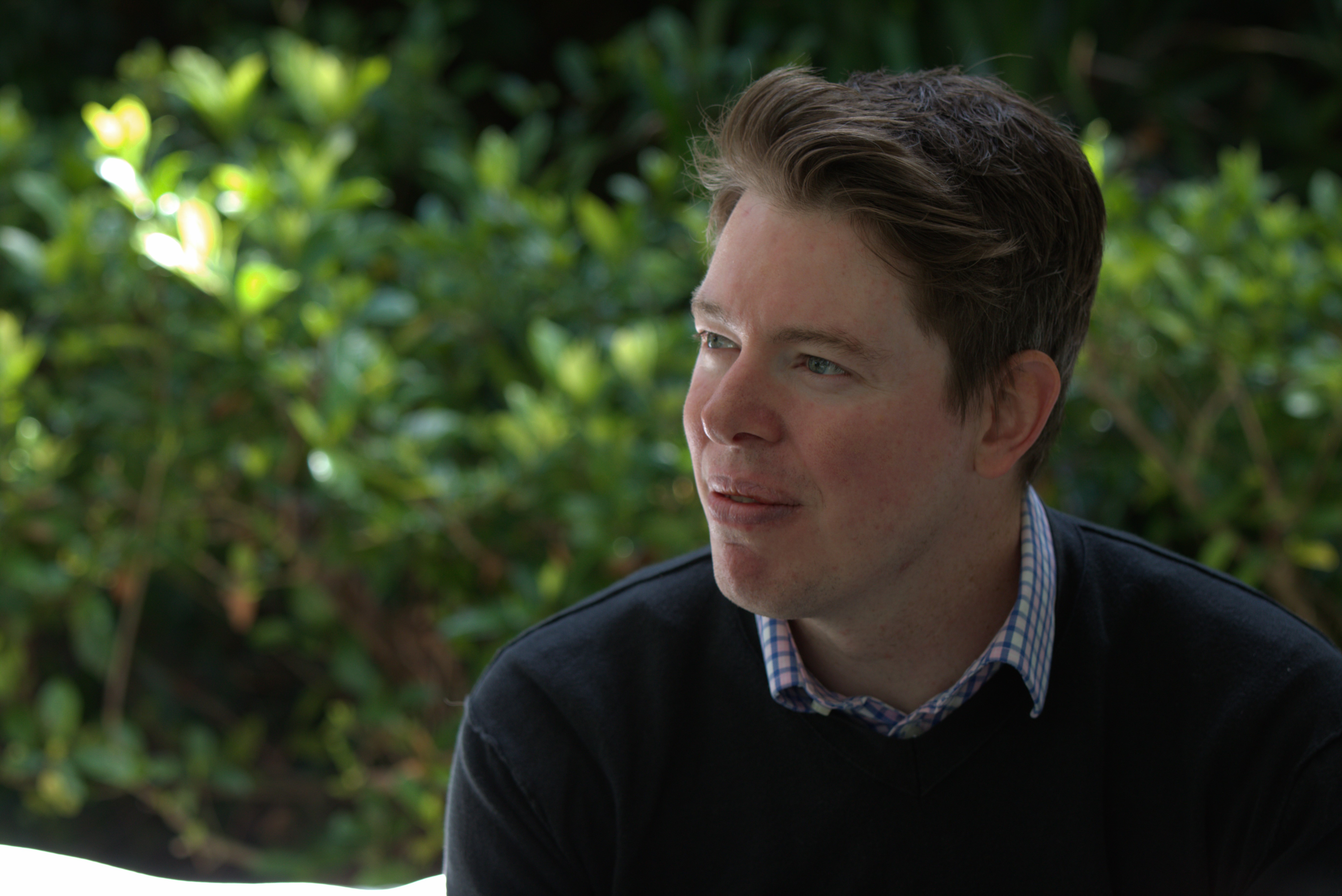
Fifteen years designing and delivering leadership development across government and private sector.
Trained under Peter Hawkins, globally recognised authority on systemic team coaching. Applied the methodology at Sydney Metro, Australia's largest public infrastructure project, working with leadership teams on mandate, culture, KPIs and stakeholder partnership.
Also trained in positive psychology coaching under Valorie Burton. John Maxwell Team certified in leadership. ICF-accredited.
Start with a conversation.
Twenty minutes. We'll talk through what's happening in your team and work out whether the diagnostic is the right next step. Useful either way.